
 By
By 
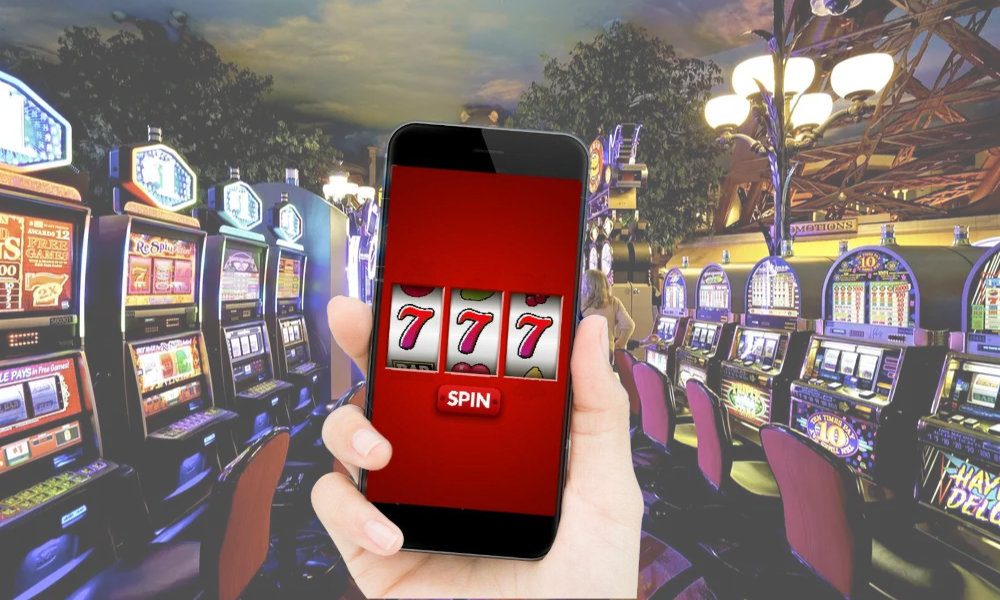
Mini-game integration adds skill-based challenges, collection mechanics, and narrative progressions to pure chance-based betting activities. These auxiliary activities provide mental breaks while maintaining platform engagement during periods when players need respite from financial risk. These online mini-games enhance retention by creating light entertainment cycles where free credit no deposit link incentives sustain player interest. The combination of skill expression, achievement satisfaction, reward earning, and variety injection creates holistic entertainment ecosystems where gambling represents one component among diverse activity options rather than the sole engagement mechanism available.
Engagement stays active
For completing or performing well in minigames, players usually receive modest rewards. In times of budget constraint, when gambling feels financially irresponsible, this zero-risk proposition keeps players engaged. A player who exhausted their monthly gambling budget can still participate in mini-games daily, maintaining platform habit and community connection until the next budget cycle begins. The reward structures in mini-games often include bonus credits, free spins, or tournament entries awarded for achievement milestones reached. These prizes enable continued gambling participation without additional deposits from personal funds. A player earning 10 bonus credits through mini-game completion can return to slots briefly, potentially rebuilding bankrolls through fortunate variance that reopens full participation possibilities.
Collections drive behaviour
Many mini-games incorporate collection systems where players accumulate cards, badges, characters, or achievements through repeated play over weeks:
- Collections create ongoing goals independent of gambling outcomes.
- Players log in daily primarily to continue collection progress.
- Completion psychology drives behaviour near finishing sets.
- Partial collections create sunk cost psychology, increasing loyalty.
- Players at 47 out of 50 items pursue the final three obsessively.
This investment creates attachment that increases platform loyalty because abandoning partial collections feels wasteful. A player near completing sets feels compelled to obtain remaining items despite minimal practical value beyond completion satisfaction.
Competition builds community
Leaderboards tracking mini-game performance create competitive dynamics where players pursue rankings for social recognition rather than monetary rewards exclusively. Achieving top-10 status in a platform puzzle game provides bragging rights and community respect, which is valued highly. This social currency motivates continued mini-game engagement that keeps players present on platforms where gambling opportunities remain accessible constantly. Mini-game competitions sometimes include team elements where groups collaborate toward collective scores or compete in tournaments against rivals. These social structures build community connections that extend beyond mini-games into gambling activities naturally. A player who joins a mini-game team might participate in team-sponsored gambling tournaments to support collective goals despite having no prior interest in tournaments.
Loyalty programs integrate
Mini-game participation often contributes to loyalty point accumulation at rates similar to low-stakes gambling sessions. A player earning 5 loyalty points per hour through mini-games receives comparable progression toward tier thresholds as someone making minimum gambling bets. This integration legitimises mini-games as viable platform activities rather than trivial diversions unworthy of serious engagement. Exclusive mini-games sometimes unlock at higher loyalty tiers, creating aspirational goals that motivate increased platform activity overall. A player who discovers that Platinum tier members access premium mini-games with better rewards might increase gambling activity specifically to reach that threshold. Mini-game desire drives gambling participation that might not otherwise occur.
Casino mini-games provide an alternative entertainment option during periods when continuous gambling is unsustainable financially or emotionally. Players are more likely to return to primary games once conditions feel suitable to wager real money again, with these supplementary activities during natural gambling breaks.


Comments